
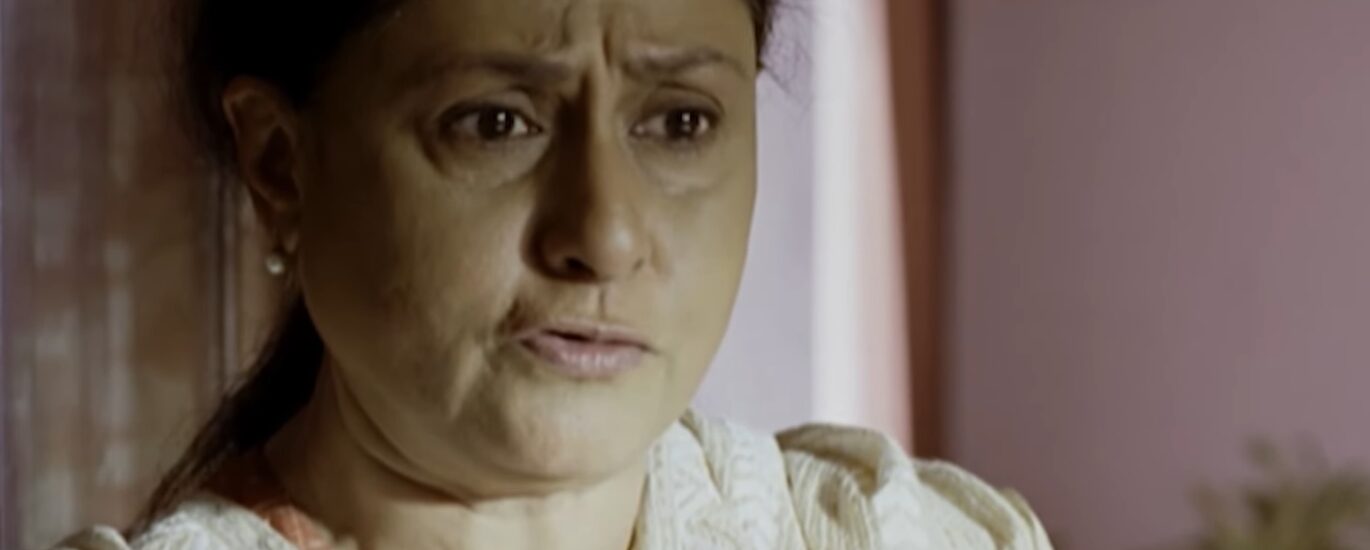
The representation of various groups/communities in mainstream entertainment is a discussion that has dominated the past few years.
“Too much whitewashing,” “not enough/too many people of colour,” “why was XYZ cast in that role and not someone else?”
The point is simple: everyone has strong opinions vis-a-vis what they want from their entertainment, and this conversation is happening at home too.
In our portion of the world, movies on social issues trigger can trigger heated debates on the internet (and sometimes even prime time), causing our society, slowly but surely, to reckon with its own systems and trappings.
More particularly, is the idea of women sacrificing it all so embedded in our collective conscience that we automatically think the opposite of a “virtuous” woman is an “aaj-kal ki modern feminist ladki”? Or is there space, at least on film, to ponder the problems of the modern woman with same judgement-free spirit that is so openly granted to men normally?
This is where Lovesongs: Yesterday, Today & Tomorrow comes in.
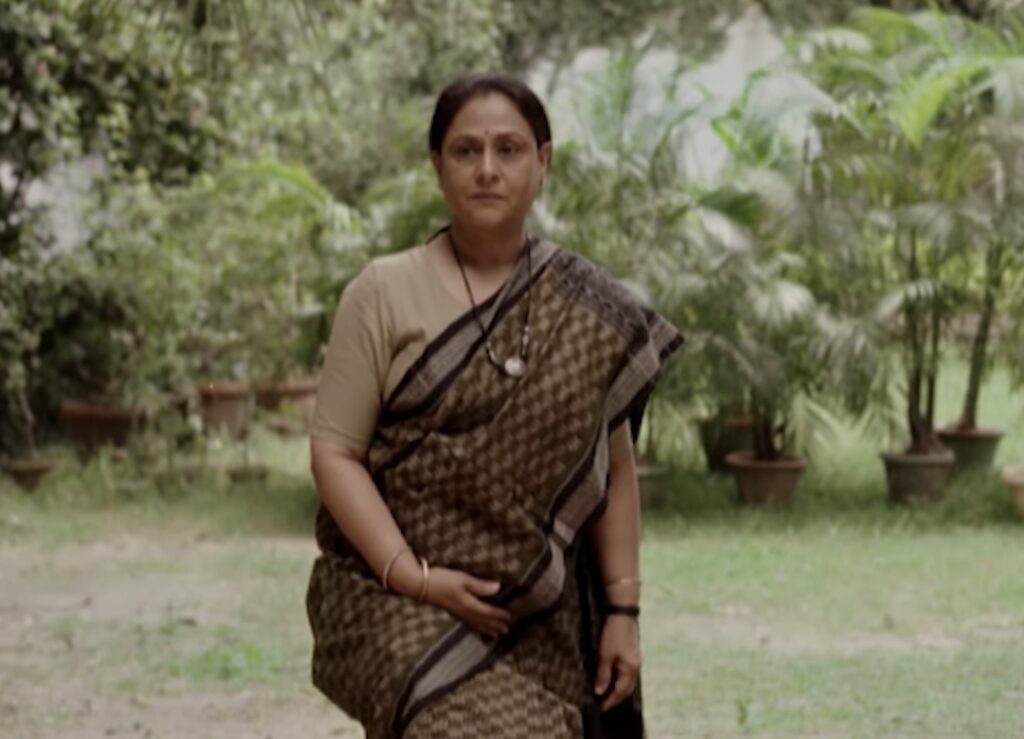
Jaya Bachchan, as an actress, is simply understated. (Yes, I know she used to be a bigger deal than her husband before she got married… please don’t @ me). My point, however, is that not everyone is familiar with her body of work. While the masses will quickly recall her in Kabhi Khushi Kabhi Gham or even Sholay, these are movies that were made for mass consumption and are, therefore, palatable to a larger segment.
In Lovesongs, Jaya takes on a complex character (Mridula) that has suffered a lot in life but has marched on. It traces how this deep personal loss has often been central to the toxique/strained relationship she shares with her daughter. The story also jumps into the battles each character has had to fight, and it doesn’t skirt around the issues central to these individuals.
Naturally, as the name suggests, this is a story that familiarises you with the “yesterday, today, and tomorrow” of a family. Now, this concept might seem overdone. But Lovesongs hits different, taking you across time as it unfolds the trials and tribulations of its people. One takeway from this movie is that that one’s story begins even before they are born.
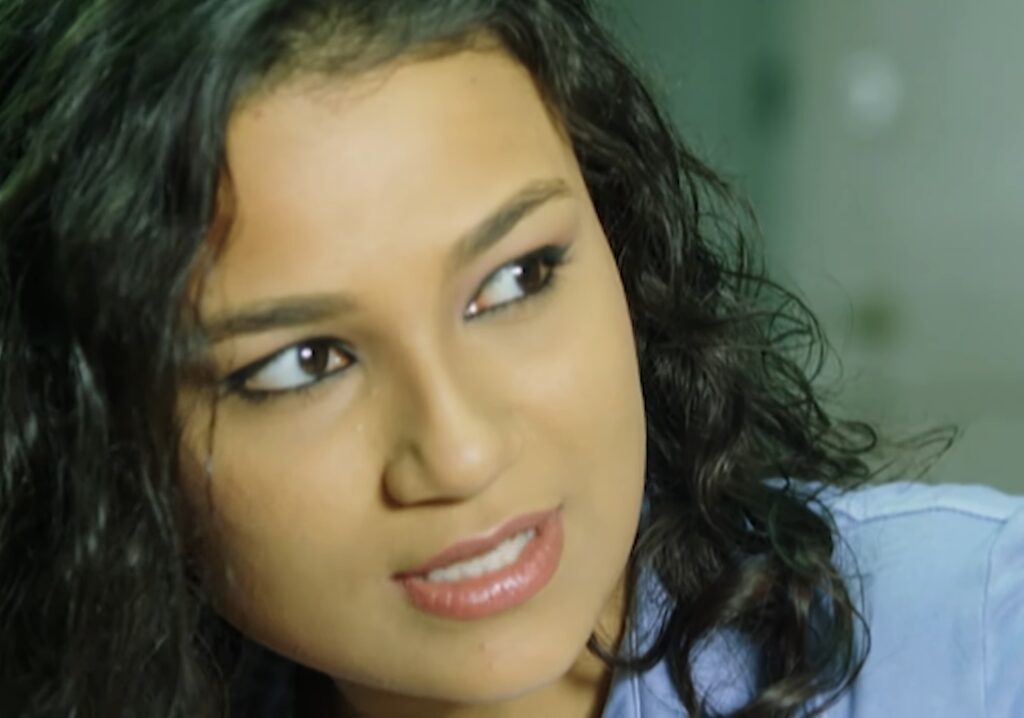
What I love the most is that Lovesongs is powered by its women. In fact, this is the very movie that inspired this blog because I just had to tell people there exists a movie with complex female characters!) Moreover, the few male characters that do exist in this film exist only so that the audience gets to see Mridula and the other women in a new light.
So, Mridula is painstakingly alone, and the film explains how her circumstances have led her here. Though she was in love with Aftab (Om Puri), the two had to part ways; later, her husband died fairly soon into their marriage, leaving only her with the responsibility of her daughter, Palaash.
In other words, she is on her own, with no man to care or provide for her.
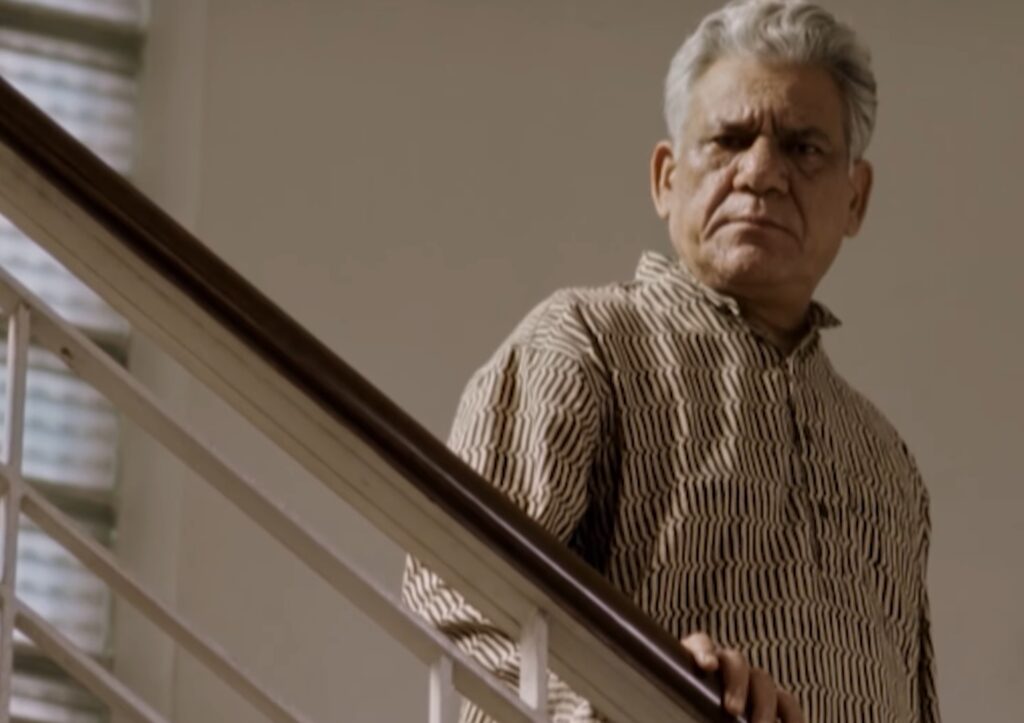
Lovesongs will show you how Mridula (as much a victim of her circumstances as other characters) juggles loss, grief, and being a single parent stuck in survival mode. That, in turn, indirectly impacts her future generations deeply and, some times, tragically.
By reserving the appearance of even industry veterans like Om Puri to only the essential scenes, Lovesongs drives home a bigger point—that the lives of its women characters are not a product of male decisions, at least not in the conventional ways. The script is really special because it sees these women as human beings and not just (insert social expectations).
There’s no pressure on these women to be the “perfect” lover, wife or daughter; whether good or bad, they just are.
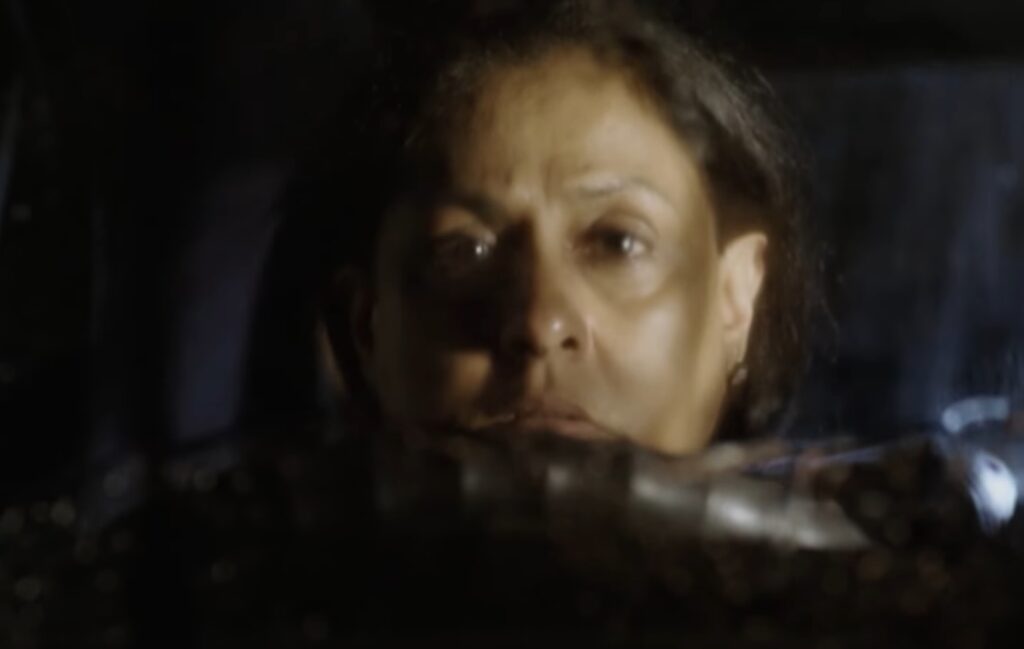
This is a movie that actually shows the audience, in the simplest yet most profound manner, the emotional cost of what perfection demands from women.
Central to the theme are also the ideas of personal liberty of women, or lack thereof, as the story traverses through Mridula’s life, with a focus on her star-crossed lover, Aftab. Then there’s also Palaash choosing her own husband but still being trapped in an unhappy, failing marriage. Rabia’s alcoholism, a consequence of her unhappy marriage, has also eaten away at her over time.
Lovesongs doesn’t demand its women to drop everything to be saviours or even simply “good.” For instance, the tough conversations between Mridula and Palaash aren’t pleasant by any metric, but they really invoke some pertinent questions about the societal roles women have always had to play.
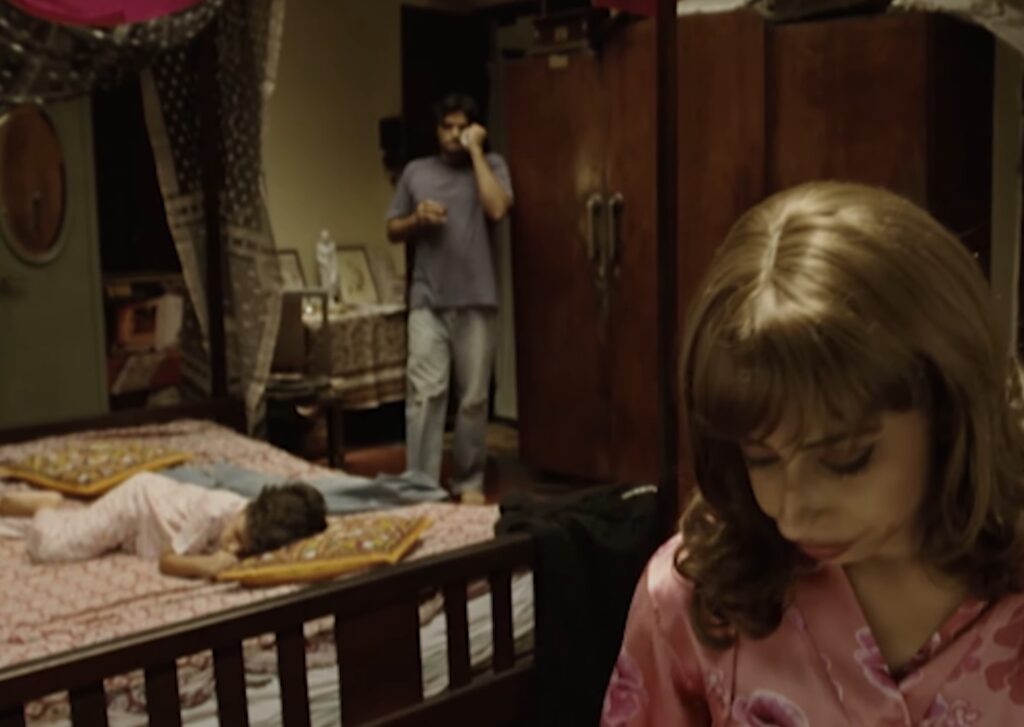
Mridula, stuck in a cycle of loneliness and circumstantial tragedy, is by no means not an independent woman; she’s serving her community.
Palaash, on the other hand, having been given every liberty under the sun, still leads a rather tragic life, much of it being her own doing. In fact, Mridula even takes numerous opportunities to label her child as “immature,” even though the existential crisis Palaash must have felt due to not knowing her father must have been crippling.
As the movie goes on, Mridula really comes across as a tragic figure—one for whom life never works out the way she would have wanted. In one poignant scene, even after having borne an unbearable loss, it is she who comforts Rabina and even urges her to overcome her addiction, instead of the other way
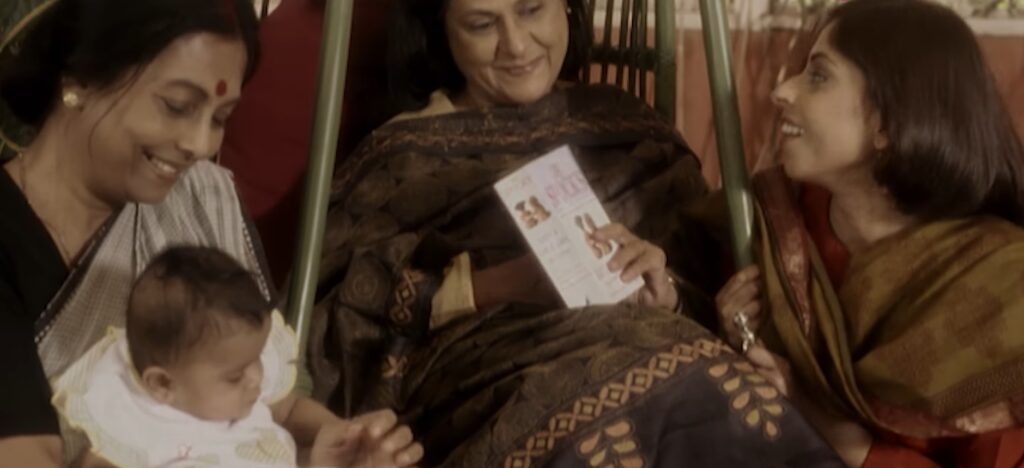
Even when life does seem to get momentarily better for Mridula, she has to make tough decisions again that doesn’t save her from her fate. History repeats itself, but once again, Mridula loses something before gaining something else (or vice-versa, depending on how you want to look at it).
There is that overbearing sense the viewer feels about how, maybe—just maybe—things may have worked out had she made a different choice. After all, mainstream Bollywood has made us all suckers for a good ending. But ultimately, Lovesongs leaves you with enough closure that you likely won’t carry many of these heavy emotions with you to bed later at night.
When all is said and done, I cannot imagine a better actress than Jaya Bachchan for this movie because she truly understands the quiet restraint that Mridula possesses. She possesses both a warmth and coldness that women often recognise in their mothers (sorry, boys), and she plays it to perfection. I have truly fangirled hard over her ever since I saw this movie.
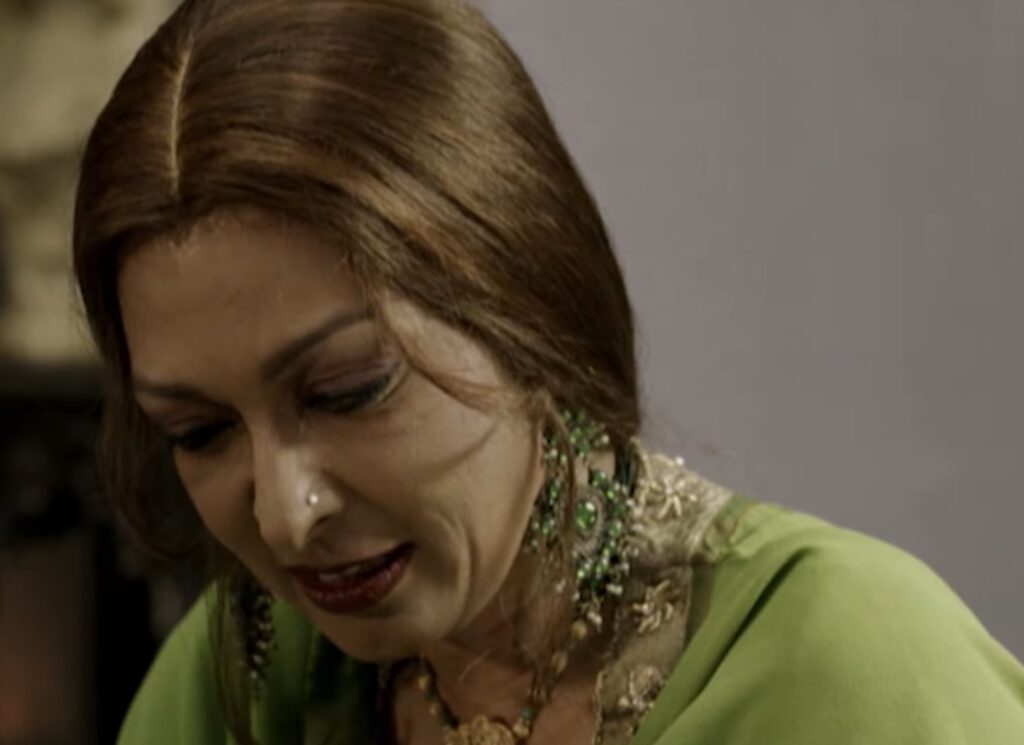
Lovesongs is a 100% certified feminist banger of a movie.
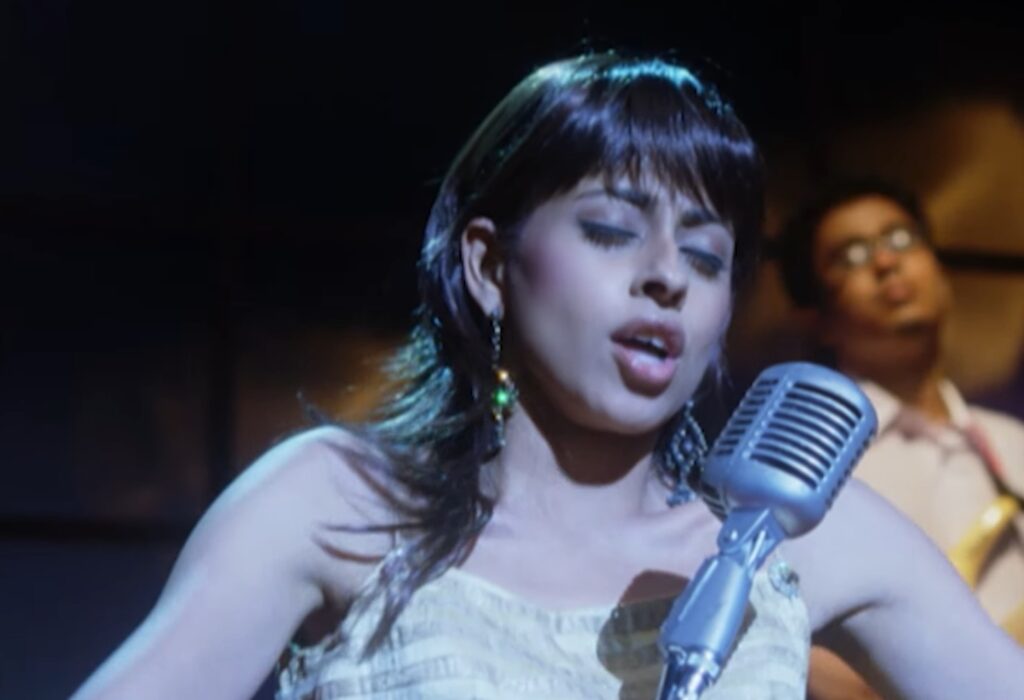
Now, it would be remiss to not talk about the songs in Lovesongs. Although we have a culture that celebrates music as a storytelling tool, frankly, we now revere songs for their “danceability” or for their “catchiness.” But Lovesongs truly takes in stride beautiful music from across different genres and cultures. From Bengali classics to Hindi tunes and English jazz numbers, this movie really harnesses the power of music to showcase the emotions of its characters.
